
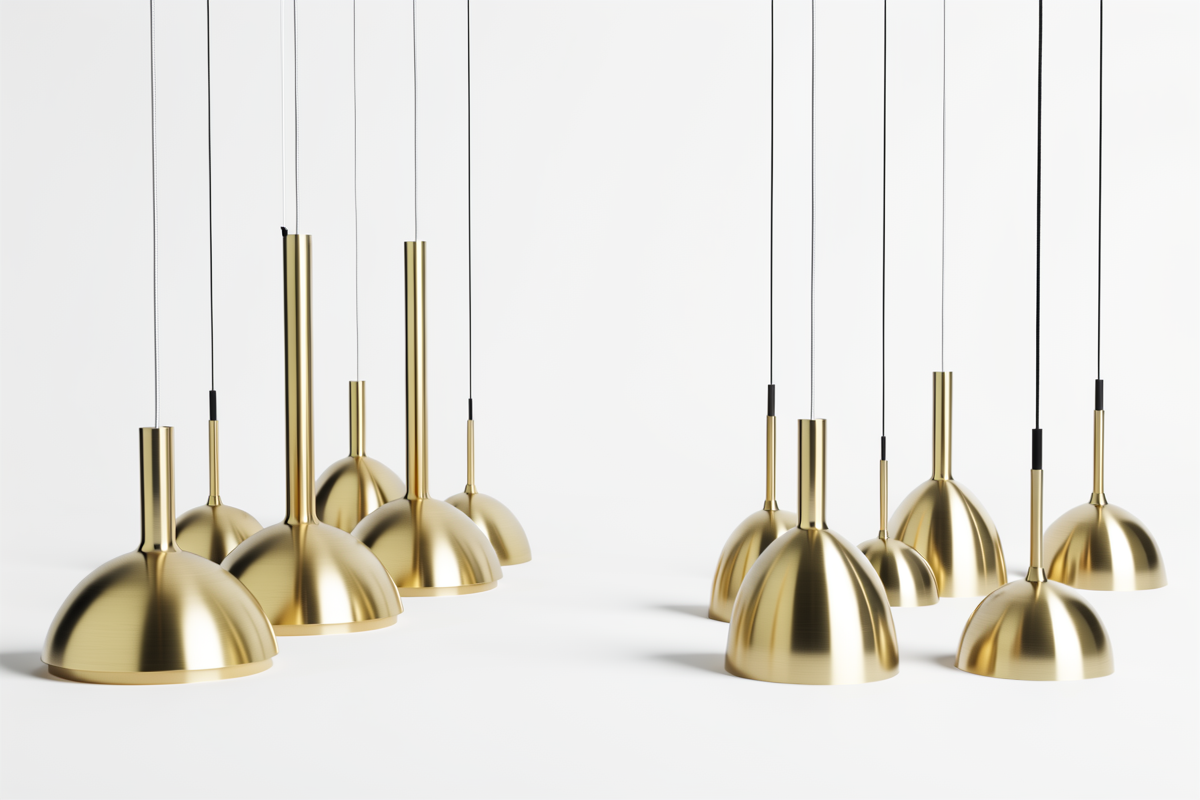
Architectural and accent lighting is the difference between a room that's simply lit and a room that looks intentionally designed — using light to draw attention to specific features rather than just providing general illumination.
Cove Lighting
Cove lighting hides a light source in a recessed ledge or architectural detail near the ceiling, washing light upward and creating a soft, indirect glow along the ceiling line. It's a popular technique in tray ceilings, coffered ceilings, and rooms with elevated ceiling details, adding depth without any visible fixtures.
Uplighting Architectural Features
Columns, built-in shelving, stone or brick accent walls, and other three-dimensional features benefit from uplighting — a fixture at the base aimed upward, emphasizing the feature's texture and shape through the resulting shadow play. This is one of the most common techniques for both interior accent walls and exterior column or facade lighting.
Accent Lighting for Art and Display
Adjustable accent fixtures (often recessed or track-mounted) aimed at specific artwork, a fireplace mantel display, or a collection creates a gallery-style focal point rather than relying on ambient room lighting to do the job. This is typically wired on its own dimmable circuit or zone, separate from general room lighting, so it can be adjusted independently.
Integration With Overall Lighting Design
Architectural and accent lighting works best as one layer of a broader lighting plan rather than a standalone addition — combined with general ambient lighting and task lighting, it's what separates a professionally designed lighting scheme from a room where every fixture serves the same generic purpose.
Retrofit Considerations
Cove lighting and other built-in architectural lighting is significantly easier and cheaper to install during new construction or a full renovation, when the physical recess or ledge can be built specifically to house the fixture. Retrofitting these into an existing finished ceiling is possible but typically requires more invasive construction work than a straightforward switch or fixture swap.
Energy Efficiency
Modern LED fixtures make accent and architectural lighting far more energy-efficient than it was with older halogen or incandescent options, meaning a home can run considerably more accent lighting zones without a meaningful impact on energy costs compared to older lighting technology.
The Bottom Line
Architectural and accent lighting is a design layer, not just an electrical installation — the best results come from working with someone who thinks about which features deserve highlighting and how light interacts with a specific space, not just where to place fixtures.